Skip to content





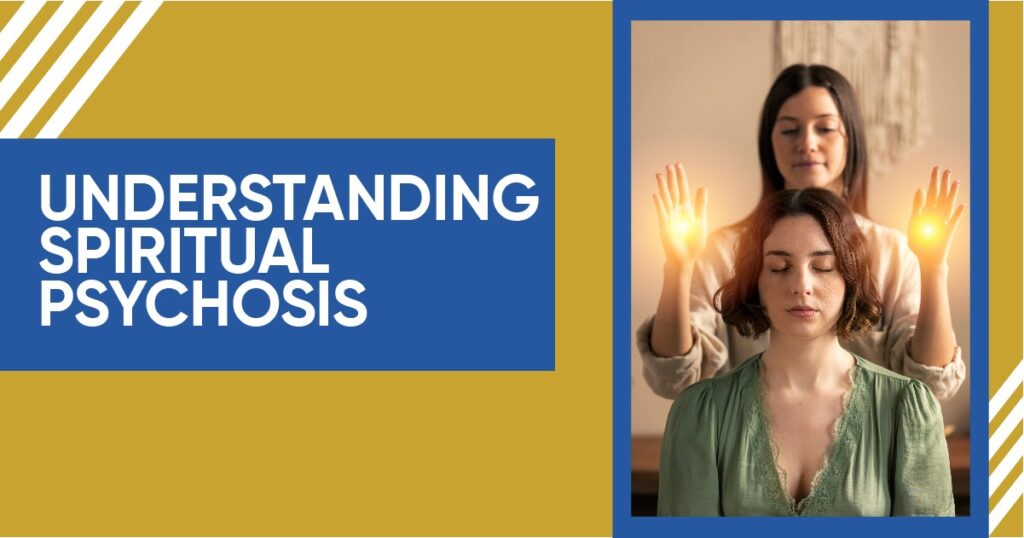
Spiritual experiences may be intense, life-transforming, and highly significant, but at other times they become overwhelming, disorienting, and destabilizing. When a person starts doubting reality, hearing voices, feeling that they are chosen, or struggling to handle overwhelming spiritual sensations, it becomes hard to know whether the person is undergoing a spiritual awakening or the onset of spiritual psychosis.
According to researchers in transpersonal psychology, extreme spiritual experiences may resemble psychiatric symptoms, particularly when they are disturbed by sleep and experience high levels of stress, and/or when they have unresolved past traumas. Another article published in The Journal of Nervous and Mental Disease points out that the emergence of psychospiritual crises is particularly common in times of emotional instability, and it is difficult to distinguish between genuine insight and psychological overwhelm.
Understanding Spiritual Psychosis and Its Complex Nature
Spiritual psychosis takes place when a spiritual experience becomes so intense that reality testing, emotional stability, and functioning are impaired. This does not imply that the experience lacks a spiritual or symbolic meaning, but rather that the nervous system is overstimulated in such a way that one can hardly remain grounded.
This experience is often explained by many as being enlightened and terrified at the same time. One moment, the thoughts can be profound, and confusing or fragmented the next. There is a sense of high intuition and confusion. The external world is quieter than the internal world.
When Spiritual Awakening Overlaps With Psychological Distress
Spiritual awakening is often described as a state of clarity, expansion, or insight. However, when combined with psychological distress, it may become:
- Emotional overwhelm.
- Inability to separate intuition and intrusive thoughts.
- Intense anxiety or fear of losing control.
- Intense symbolic thinking.
- Being out of touch with the body or the surroundings.

A spiritual awakening is not always a crisis, however, when regular functioning is disrupted, it can be an indication of a more profound psychospiritual problem.
What a Psychospiritual Crisis Looks Like in Real Life
A psychospiritual crisis occurs when the spiritual development seems to be running up against the psychological boundaries. This experience may seem like:
- Sensation of being called or chosen, and it becomes isolating.
- Losing sleep because of great sensations or visions.
- Being overwhelmed with downloads, revelations, or messages.
- Becoming increasingly suspicious or afraid of other people.
- Experience of being out of touch with the physical world.
- Getting lost in the symbolic and literal meaning.
- Lack of concentration over day-to-day activities.
- The spiritual experience is not inherently harmful, but it can be overwhelming to the nervous system and mind.
The Difference Between a Mystical Experience and a Spiritual Emergency
Before examining the table, it is good to know that mystical experiences are healthy and enriching. However, a spiritual emergency is unstable.
| Feature | Mystical Experience | Spiritual Emergency |
| Emotional State | Calm, connected, expanded | Overwhelmed, fearful, overstimulated |
| Reality Testing | Intact | Impaired or fluctuating |
| Functioning | Daily life continues | Daily functioning disrupted |
| Sense of Self | Stable, grounded | Fragmented, confused, inflated, or dissolved |
| Duration | Brief or integrated | Persistent and escalating |
| Support Needed | Reflection, integration | Professional intervention and stabilization |
How Transcendental Experience Can Mirror Symptoms of Psychosis
Transcendental or peak experiences are usually vivid, symbolic, or meaningful. However, they can appear similar to symptoms of psychosis, including: when they become more severe or ungrounded.
- Perceiving the messages or being directed by the invisible forces.
- Having faith in exceptional power or purposes.
- Finding meaning in any event symbolically.
- Experience of being out of touch with the physical world.
- Quick speech or a fast mind.
Divine Madness: History, Culture, and Misinterpretation
In the past, numerous traditions were mentioned in reference to divine madness, an understanding of strong spiritual inspiration that was both revered and dreaded. These experiences were considered gifts in certain cultures. In others, they were misconstrued as sickness.
Nowadays, we understand that both sides are partly true:
- Symbolical spiritualism may have a meaning.
- But there is a need for care when there is intense psychological overwhelm.
Recognizing the Early Signs of Spiritual Psychosis
The symptoms of them are usually subtle in nature before spiraling out of control. These include:
- Sensation of excessive openness, hyper-stimulated, or un-grounded.
- Extreme paranoia or symbolism.
- Unexpected feeling of being called to some special purpose or power.
- Listening to internal messages that are external or instructive.
- Visions or active sensations cause insomnia.
- Unstable emotions, emotional outbursts, or emotional shifts.
Support, Stabilization, and Healing During a Psychospiritual Crisis
It should begin with healing, which involves stabilizing the mind and body and regaining a sense of security. The process of offering support does not entail acting as dismissive of the spiritual interpretation that is made by the person; it involves regaining clarity. The helpful interventions involve:
- Restoring sleep
- Grounding and sensory methods.
- Counseling by a trained mental health professional.
- Returning to the body through breathing, body movement, or nature.
- Removing seclusion and restoring normalcy.
- Creating meaning in the spiritual experience through guidance.
Get Expert Guidance for Spiritual Psychosis — Contact Dallas Mental Health Today
If you or someone you love is experiencing intense spiritual experiences, confusion, or symptoms that feel overwhelming, you are not alone. You deserve support that is compassionate, grounded, and clinically aligned — without invalidating your spiritual beliefs.
Dallas Mental Health offers safe, evidence-based care to help you stabilize, gain a deeper understanding of your experience, and develop tools for long-term healing and integration.

FAQs
1. What signs indicate a psychospiritual crisis during a spiritual awakening?
Symptoms are emotional overload, sleeplessness, confusion, symbolism, and instability. When the symptoms interfere with daily functioning, then this is a possible sign of a psychospiritual crisis.
2. How can a mystical experience contribute to personal growth and transformation?
Positive mystical experiences will enhance attachment, understanding, and emotional clarity. Being grounded and integrated, they promote growth without overwhelming.
3. In what ways does a spiritual emergency impact one’s mental and emotional well-being?
Fear, confusion, insomnia, and inability to differentiate intuition and intrusive thoughts are some of the effects of a spiritual emergency. In its absence, it can interfere with relationships, employment, and stability in everyday life.
4. What are the potential effects and challenges of a kundalini awakening?
A kundalini awakening can result in intense physical sensations, profound emotional shifts, energetic surges, or alterations in perception. These experiences are overwhelming when left uncontrolled and need to be grounded and supported.
5. How do altered states of consciousness relate to transcendental experiences and spiritual transformation?
Alteration of state may become a gateway to spiritual awareness, but may also disrupt emotional control. Being guided and grounded, they help to promote change, being unmanaged, they can result in confusion or being overpowered.