Skip to content




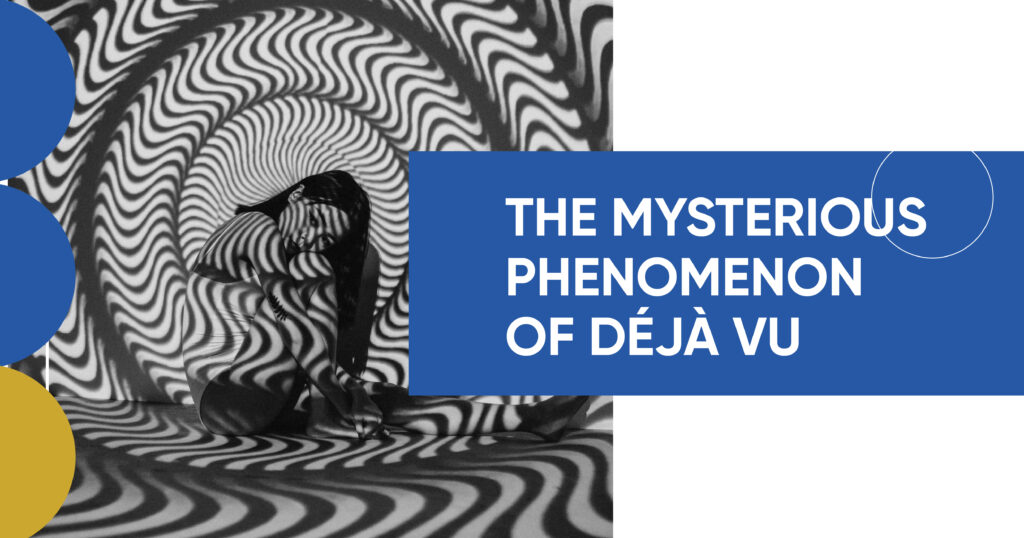
Have you ever walked into a place for the first time yet felt like you’ve been there before? This strange sensation is what we call déjà vu. It’s a momentary feeling where experience, memory, and perception collide, leaving many to wonder if their brain is playing tricks or tapping into hidden realities. At Dallas Mental Health, we explore how this mysterious phenomenon connects to our memory, brain function, and understanding of consciousness itself.
What Is Déjà Vu?
The term déjà vu is French for “already seen.” But beyond this literal translation, what is déjà vu? Psychologists define it as a fleeting sense of familiarity with a situation that is objectively new. This sensation typically lasts only a few seconds but often leaves individuals feeling puzzled about whether the moment was real, imagined, or remembered. Although déjà vu is common – estimated to occur in 60-80% of people – it remains one of neuroscience’s least understood experiences.
Researchers speculate that déjà vu arises from temporary glitches in the brain’s memory and recognition systems, where familiarity is mistakenly triggered without an actual memory to support it. While typically harmless, frequent or intense déjà vu could sometimes signal underlying neurological issues, such as temporal lobe epilepsy. However, for most people, it’s simply a curious quirk of consciousness.
The Link Between Memory and Perception
At the heart of déjà vu is the relationship between memory and perception. When you encounter a new environment, your brain processes sensory information and compares it against stored memories. Normally, your brain tags the event as “new” or “familiar.” However, during déjà vu, this recognition process malfunctions. Your perception registers something as familiar, even when your memory holds no real record of it.
This misfiring is believed to be linked to implicit memory – the type of memory that influences perceptions unconsciously. For instance, you might not remember visiting a place in your early childhood, but sensory similarities could activate familiar feelings without conscious recall.
A study published in Psychological Science suggests that déjà vu may stem from “double perception” glitches, where the brain briefly processes the same information twice, confusing it with familiarity.
How the Brain Processes Familiar Experiences
Our brain is constantly working behind the scenes to process experiences and determine whether something is familiar or new. Déjà vu might result from minor delays in neural transmission, where a new experience is mistakenly processed as a memory.
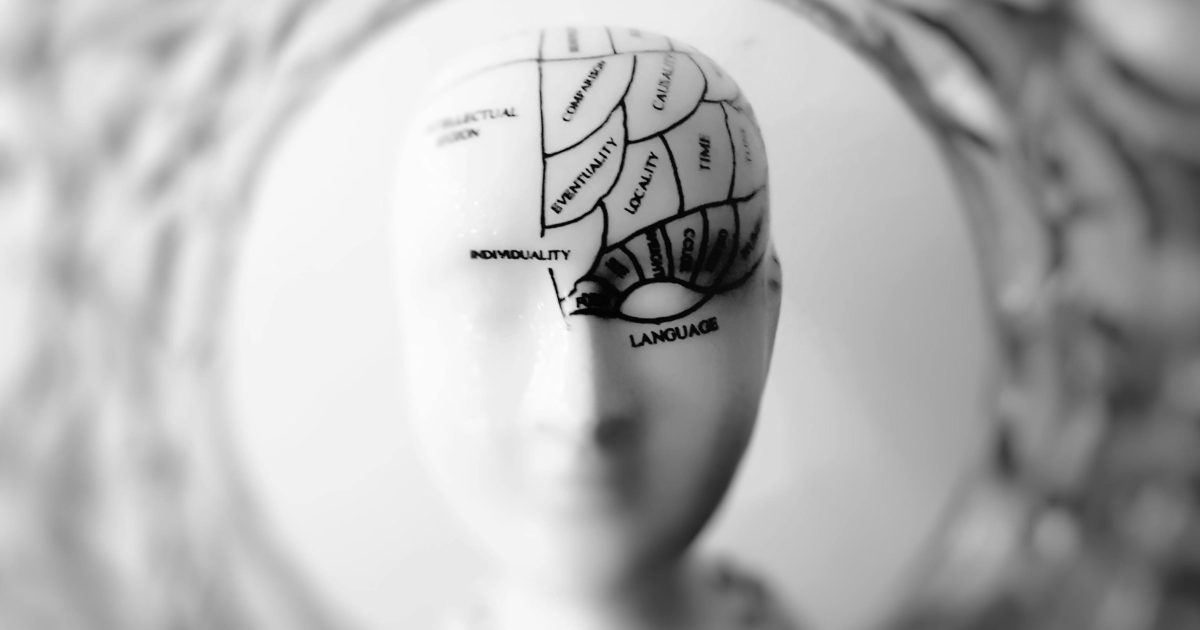
Brain Structures Involved in Memory and Recognition
Several brain structures play a critical role in this process:
- Temporal Lobe. This region houses the hippocampus, crucial for forming and retrieving memories. Irregular activity in the temporal lobe, especially the medial temporal cortex, can cause déjà vu.
- Hippocampus. Integral to long-term memory, it helps the brain recognize previously encountered environments and experiences.
- Parahippocampal Gyrus. This area evaluates the familiarity of visual scenes. A mismatch in its activity can signal familiarity even when the experience is novel.
- Prefrontal Cortex. It plays a supervisory role, helping distinguish between actual memories and false recognition.
When these structures misfire or miscommunicate, it can create the sensation that you’re re-experiencing something new.
Recognition Errors and the Illusion of Recollection
Déjà vu is considered an example of a false memory or recognition error. Essentially, your brain “remembers” something that hasn’t occurred. This can happen when different neural pathways overlap inappropriately. For instance, similar sights, sounds, or smells can trigger partial memory traces, creating the illusion of familiarity.
According to the Journal of Neuroscience, partial familiarity can occur when the brain activates memory circuits without retrieving complete information. This leads to a “ghost” recognition – where your mind feels like it remembers something but lacks specific details to support it.
In some cases, déjà vu might result from a conflict between your conscious and subconscious processing. Your subconscious might process the environment quickly, marking it as familiar, while your conscious mind catches up moments later, confused by the sensation of familiarity without context.
Understanding Consciousness and the Sensation of Déjà Vu
Déjà vu provides an intriguing window into the study of consciousness. It reveals how subjective our experience of reality is, and how easily our brain can blur the lines between perception and memory.
During déjà vu, your consciousness enters a state where sensory input and memory retrieval create a cognitive mismatch. Your brain signals familiarity, yet your conscious awareness can’t pinpoint why. This highlights how human consciousness isn’t just about raw sensory input; it’s an ongoing negotiation between memory, experience, and awareness.
Déjà Vu in Dreams Vs. Real Life
Interestingly, many people report experiencing déjà vu related to dreams. This raises the question: is déjà vu linked to forgotten dreams or premonitions?
While there’s no scientific evidence to support the idea of psychic phenomena, some researchers suggest that certain real-life experiences might resemble fragments of dreams that were forgotten upon waking. When these fragments are subconsciously triggered by real-world events, they can create a déjà vu effect.
In real life, the experience is tied to tangible sensory input – sights, sounds, or even emotions. In contrast, dream-related déjà vu often involves more abstract feelings of familiarity, without specific memories attached.
Explore Reality and the Mind With Dallas Mental Health
At Dallas Mental Health, we understand how unsettling déjà vu can be, especially when it occurs frequently or intensely. While generally harmless, persistent episodes can be linked to neurological or psychological conditions such as epilepsy, anxiety disorders, or dissociative experiences.
Our team offers advanced neurological assessments, therapy for anxiety and memory concerns, and personalized mental health counseling to help you understand your mind better. Whether you’re curious about your brain’s inner workings or concerned about your mental health, Dallas Mental Health is here to help.
To learn more about how your brain processes experiences – or to seek support for anxiety, memory, or consciousness issues – contact Dallas Mental Health today.
FAQs
How does the brain create the illusion of familiarity during a déjà vu experience?
The brain mistakenly activates memory circuits in regions like the temporal lobe and hippocampus, leading to a sensation of familiarity without an actual memory.
What role does memory play in the perception of déjà vu?
Memory, particularly implicit memory, influences perception by unconsciously comparing new stimuli to stored experiences, sometimes causing recognition errors that result in déjà vu.
Can déjà vu be linked to errors in consciousness and recognition processes?
Yes. Déjà vu often arises from misfires in recognition circuits and memory processing, leading to false feelings of familiarity and contributing to our understanding of consciousness errors.
How does the sensation of déjà vu challenge our understanding of perception and reality?
Déjà vu blurs the line between perception and memory, revealing how the brain can mistakenly tag new experiences as familiar, challenging our understanding of what is real and remembered.
Are there specific brain areas responsible for the feeling of déjà vu and its impact on memory?
Yes. The hippocampus, parahippocampal gyrus, and temporal lobe structures are directly involved in memory and recognition processes related to déjà vu sensations.