Skip to content





Key Takeaways
- GABA (gamma-aminobutyric acid) is the brain’s main calming, or inhibitory, neurotransmitter — it quiets nerve activity to help your body settle.
- GABA works by binding to GABA receptors, which lower neuronal excitability and support your relaxation response.
- Low or under-active GABA signaling is linked to anxiety, muscle tension, and poor sleep quality.
- The science on GABA supplements is mixed: oral GABA may struggle to cross the blood-brain barrier, so the benefits are uncertain.
- Everyday habits and professional treatment support healthy nervous system regulation more reliably than supplements alone.
When your heart is pounding before a big meeting, or your mind will not stop spinning at 2 a.m., your nervous system is running hot. One of the main brakes your body uses to calm that activity down is a neurotransmitter called GABA. But what is GABA, exactly, and why does it matter so much for how calm — or how on edge — you feel?
This article breaks down how GABA works with your nervous system to regulate the stress response, the role of GABA receptors in relaxation, and how GABA connects to anxiety, muscle tension, and sleep. We will also look honestly at GABA supplements and what the research actually shows.
What Is GABA?
GABA, short for gamma-aminobutyric acid, is the primary inhibitory neurotransmitter in your central nervous system. If some chemical messengers act like an accelerator — glutamate, GABA’s excitatory counterpart, is the main one — then GABA is the brake. It reduces the excitability of neurons, quieting the electrical chatter of the brain and helping your body shift out of high alert.
Because it is so widespread, the GABA neurotransmitter influences everything from mood and anxiety to muscle tone and sleep. When GABA signaling is working well, you can relax, focus, and wind down. When it is low or underactive, that calming brake does not engage as easily.
How GABA Functions as Your Body’s Primary Calming Neurotransmitter
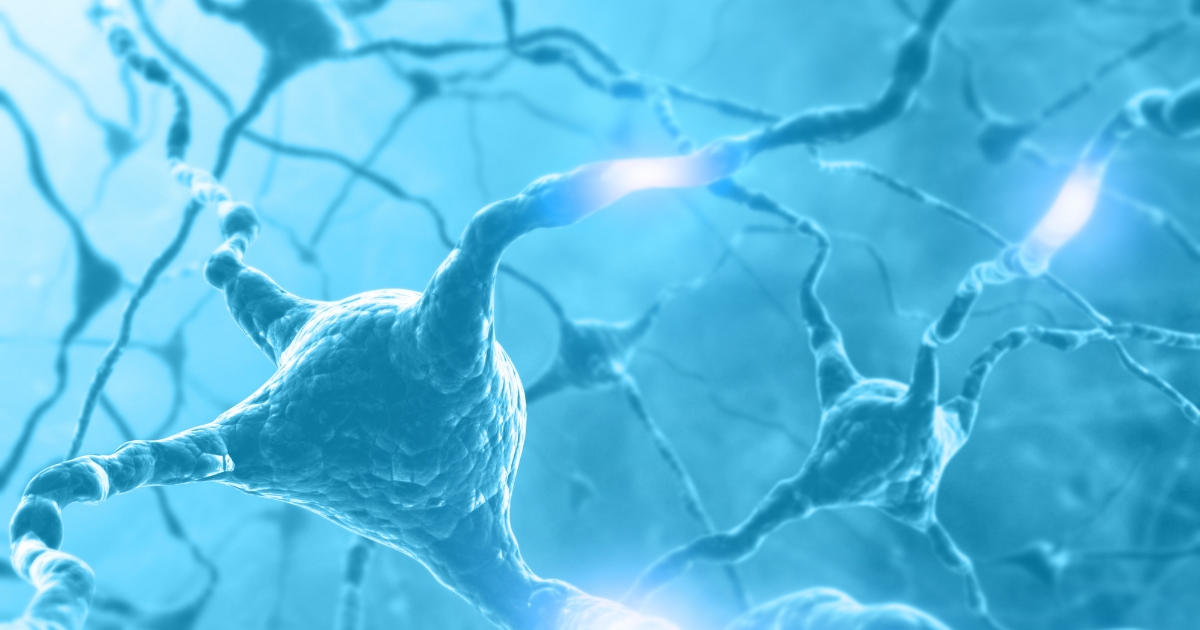
So what is GABA actually doing at the cellular level? When a neuron releases GABA, it crosses the tiny gap to the next neuron and binds to receptors that make that cell less likely to fire. Multiplied across billions of neurons, the result is a quieting of the nervous system — slower racing thoughts, less physical tension, and a greater sense of ease. This is the biological basis of the relaxation response that lets your body recover after stress.
The Role of GABA Receptors in Stress Management
GABA can only do its job by connecting with GABA receptors, and there are two main types. GABA-A receptors act fast, opening channels that let chloride ions flow into the neuron and quickly dampen its activity. GABA-B receptors work more slowly and produce longer-lasting inhibition. Together, they let your body fine-tune how firmly to apply the brakes.
These receptors are also where many calming medications act. Benzodiazepines, for example, enhance the effect of GABA at GABA-A receptors, which is exactly why they are sedating — and also why such medications require careful medical supervision.
How These Receptors Activate Your Relaxation Response
When GABA binds its receptors in key brain regions, it tamps down the circuits that drive the fight-or-flight response. Heart rate can ease, racing thoughts slow, and muscles begin to loosen. In effect, GABA receptors help flip the switch toward your parasympathetic “rest and digest” state — the natural counterbalance to stress.
The Connection Between Receptor Sensitivity and Anxiety Levels
It is not only how much GABA you have that matters, but how well your receptors respond to it. When GABA activity or receptor sensitivity is reduced, the brain’s excitatory signals go relatively unchecked, which can show up as heightened anxiety, restlessness, and a nervous system that struggles to settle. Many people seeking anxiety relief are, in essence, looking for ways to support this calming system.
GABA and Sleep Quality: Why Rest Depends on This Neurotransmitter
So what is GABA’s connection to a good night’s sleep? A close one. Falling and staying asleep depend on your brain quieting down, and GABA is central to that process. GABA activity helps shift the brain from wakeful alertness toward the slower rhythms of sleep. When GABA signaling is insufficient, the mind can stay revved up, making it hard to fall asleep or leading to fragmented, restless nights.
This is one reason poor sleep quality and anxiety so often travel together: both can involve the same under-active calming system. Supporting healthy GABA function is therefore closely tied to protecting restful sleep.
Muscle Relaxation and Physical Tension: GABA’s Direct Effects
GABA does not just calm the mind — it influences the body directly. As a major inhibitory neurotransmitter in both the brain and the spinal cord, GABA helps regulate muscle tone. Adequate GABA signaling supports muscle relaxation, while reduced activity can leave muscles more prone to tension and tightness.
Why Tight Muscles Often Signal Low GABA Activity
Ever notice how chronic stress seems to lodge itself in your shoulders, neck, or jaw? When the calming influence of GABA is weakened, the nervous system stays in a more activated state, and that strain often shows up physically. Persistent muscle tightness, especially alongside anxiety and poor sleep, can be a sign that your body’s relaxation system is under-supported. Practices that promote overall calm tend to ease muscle tension and mental stress together.
Supporting Your Nervous System Through GABA Optimization
The encouraging news is that you can support healthy GABA function through everyday habits — no prescription required. Because GABA is part of a whole-body system, the same practices that calm your mind also nourish the nervous system that produces and responds to it.
Natural Methods to Enhance Neurotransmitter Function
Several evidence-informed habits may support healthy neurotransmitter function and a calmer nervous system:
- Regular exercise, which supports mood and healthy brain chemistry.
- Consistent, quality sleep, which helps the whole system reset and regulate.
- Mind-body practices like yoga, meditation, and slow breathing, which activate the relaxation response.
- Stress management and downtime, giving your nervous system room to recover.
- A balanced diet, since nutrients are the raw materials your body uses to build neurotransmitters.
None of these is a magic switch, but together and over time they help create the internal conditions in which your calming systems can work well.
GABA Supplements: Effectiveness, Safety, and What the Research Shows
GABA is sold widely as a supplement marketed for calm, better sleep, and anxiety relief — but the science is far from settled. A key question is whether oral GABA can even reach the brain: because it is a relatively large, charged molecule, researchers have long debated whether it crosses the blood-brain barrier in meaningful amounts, and the human studies are limited and often contradictory.
Some people do report feeling calmer after taking GABA, which may reflect effects on the body’s peripheral or “gut-brain” pathways rather than direct action in the brain — or, in some cases, a placebo response. GABA supplements are generally considered low-risk for most people, but “low-risk” is not the same as “proven effective.” Because supplements can interact with medications and are not tightly regulated, it is wise to talk with a healthcare provider before trying them, especially if you take anxiety or sleep medication.
How Dallas Mental Health Addresses Neurotransmitter Imbalances in Treatment
Neurotransmitters like GABA are one piece of a much larger picture. Anxiety, insomnia, and chronic stress rarely come down to a single chemical, which is why chasing calm through supplements alone often disappoints. Meaningful relief usually comes from addressing the whole system — mind, body, and environment — rather than one molecule.
At Dallas Mental Health, our clinicians take that comprehensive approach. Through thorough evaluation and evidence-based care — including therapy and, when appropriate, medical treatment — we help your nervous system find steadier ground instead of relying on quick fixes.
If anxiety, tension, or sleepless nights are wearing you down, you do not have to figure it out alone. Contact Dallas Mental Health to learn how our team can help you understand what is driving your stress response and build a plan for genuine, lasting calm.

FAQs
Can low GABA levels directly cause both anxiety and insomnia simultaneously?
Reduced GABA activity is associated with both anxiety and insomnia, and because the same calming system underlies each, they frequently occur together. When the brain’s inhibitory brake is weak, it can be harder to quiet anxious thoughts and to wind down for sleep. That said, both conditions are complex and involve more than any single neurotransmitter, so a professional evaluation is the best way to understand your situation.
Why do GABA supplements sometimes fail to cross the blood-brain barrier effectively?
GABA is a relatively large, electrically charged molecule, and the blood-brain barrier tightly limits which substances can pass into the brain. Research on whether oral GABA crosses in meaningful amounts is limited and inconsistent, so any calming effects people notice may come from indirect pathways or placebo rather than direct brain action. This uncertainty is a major reason results from GABA supplements vary so widely.
How quickly does neurotransmitter function improve after starting natural GABA optimization methods?
There is no fixed timeline, and it varies from person to person. Habits like regular exercise, better sleep, and daily relaxation practices tend to build their benefits gradually over weeks rather than overnight. Consistency matters more than intensity — small, repeated actions give your nervous system the steady support it needs to regulate more easily.
What’s the difference between GABA receptor sensitivity and GABA production capacity?
Production capacity refers to how much GABA your body makes, while receptor sensitivity refers to how well your neurons respond to the GABA that is present. Both matter: you can have adequate GABA but under-responsive receptors, or responsive receptors with too little GABA. Because calming depends on the whole signaling pathway, effective support looks at more than raw GABA levels alone.
Does muscle tension decrease when GABA receptor activity increases in the nervous system?
Generally, yes — greater GABA receptor activity promotes inhibition in the nervous system, which supports muscle relaxation and can ease tension. This is part of why calming, GABA-supporting practices often relieve mental and physical tightness at the same time. If muscle tension is persistent or painful, though, it is worth checking with a professional to rule out other causes.
This article is for educational purposes only and is not medical advice. It is not intended to diagnose, treat, or prevent any condition, and it should not replace guidance from a qualified healthcare provider. Talk with a professional before starting any supplement or changing your treatment.
References
1. National Institutes of Health (StatPearls). Physiology, GABA. https://www.ncbi.nlm.nih.gov/books/NBK513311/
2. National Institutes of Health (StatPearls). GABA Receptor. https://www.ncbi.nlm.nih.gov/books/NBK526124/
3. Boonstra E, et al. Neurotransmitters as Food Supplements: The Effects of GABA on Brain and Behavior (Frontiers in Psychology, 2015). https://www.ncbi.nlm.nih.gov/pmc/articles/PMC4594160/
4. National Library of Medicine (PMC). Therapeutic Potential of GABA in Stress and Depressive Disorders Through the Gut-Brain Axis. https://www.ncbi.nlm.nih.gov/pmc/articles/PMC10741010/