Skip to content





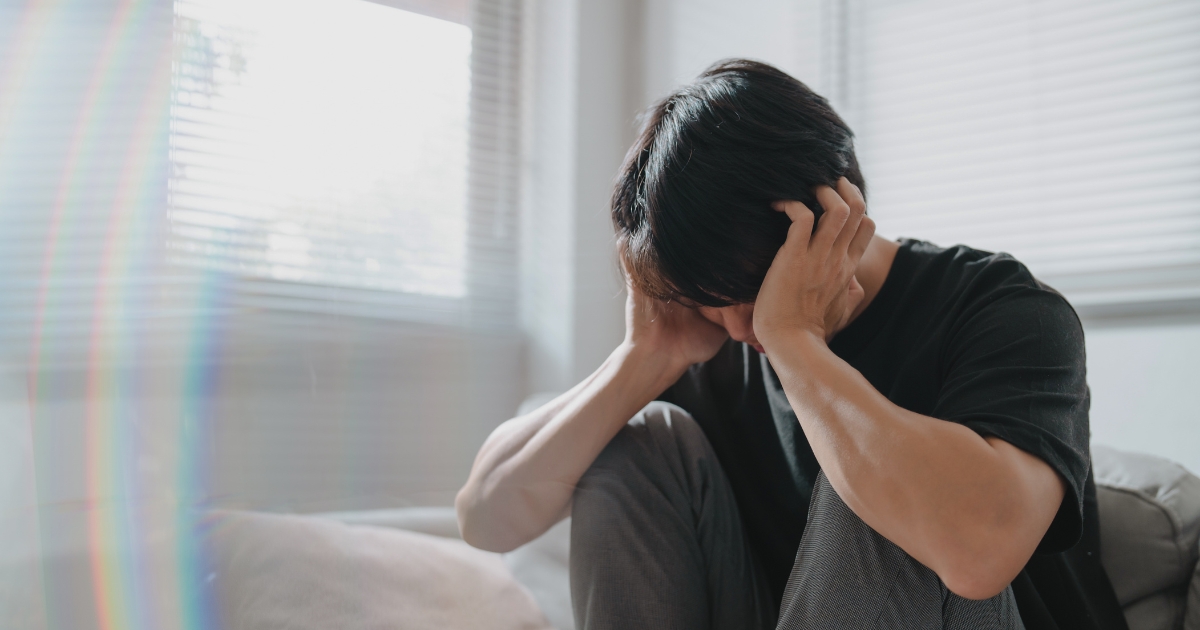
Anxiety becomes debilitating when it stops being a passing worry and starts dictating every decision, canceling plans, and trapping you in a cycle of fear. You may wonder, “What is crippling anxiety, and is it happening to me?” This level of distress is more than nervousness before a big presentation or concern about an upcoming deadline. It is a persistent, overwhelming state that interferes with work, relationships, and the ability to care for yourself. The good news: this condition responds well to evidence-based treatment, and recovery is not only possible but expected with the right support.
Understanding the clinical markers that distinguish manageable worry from a disorder requiring professional care, recognizing the warning signs, and knowing which treatment approaches are effective can help you or a loved one take the first step toward relief. This article covers the clinical markers that separate manageable worry from a disorder requiring professional care, the physical and cognitive symptoms that signal severe anxiety, and the therapies proven to restore functioning and quality of life.
What Makes Anxiety “Crippling” vs. Normal Worry
Normal worry is proportional to the situation, temporary, and does not prevent you from completing tasks or engaging in activities. When anxiety becomes too much to handle, it persists even when there is no clear threat, escalates out of proportion to circumstances, and actively blocks you from functioning. So what is crippling anxiety exactly? It’s a state where the nervous system’s threat detection becomes so overactive that normal life becomes impossible.
Clinically, the threshold is crossed when symptoms last most days for at least six months, cause significant distress, and impair your ability to work, maintain relationships, or manage self-care. The difference between normal anxiety and anxiety disorder lies in duration, intensity, and functional impact — a disorder persists for months, causes disproportionate distress, and prevents you from living the life you want. Someone with severe anxiety may avoid leaving the house, miss work repeatedly, or spend hours consumed by worry. The DSM-5 outlines specific criteria for generalized anxiety disorder, panic disorder, and social anxiety disorder, but the common thread is functional impairment — the inability to do what you need or want to do because fear and worry dominate your mental and physical state.
Physical Symptoms and Warning Signs of Severe Anxiety That Won’t Go Away
Severe anxiety symptoms are not confined to racing thoughts or emotional distress. The body’s fight-or-flight response, when activated chronically, creates distressing physical sensations. Many people initially seek medical care for what they believe is a heart or respiratory condition, only to learn anxiety is the cause.
- Persistent physical symptoms that continue even after medical evaluations find no underlying physical cause, leading many people to seek repeated reassurance or testing.
- Chronic muscle tension, particularly in the neck, shoulders, and jaw, which can contribute to frequent headaches, jaw pain, and general physical discomfort.
- Sleep disturbances, including difficulty falling asleep, frequent nighttime awakenings, or restless sleep caused by persistent worry and heightened alertness.
- Ongoing fatigue and low energy despite adequate rest, as prolonged anxiety keeps the body’s stress response activated and limits physical recovery.
- Heightened sensitivity to normal bodily sensations, causing minor physical changes to feel alarming and reinforcing the cycle of anxiety.
- Symptoms that fluctuate with stress levels, often becoming more intense during periods of emotional pressure and improving when stress is reduced.
If you’ve asked yourself, “Why does my anxiety feel paralyzing?” the answer is neurobiological: chronic activation of the stress response rewires attention and perception, narrowing focus to perceived threats and making it difficult to engage with anything else.
If physical symptoms of extreme anxiety are severe, sudden, or accompanied by confusion or loss of consciousness, seek immediate medical evaluation to rule out other conditions. Once medical causes are excluded, these symptoms are best addressed through anxiety treatment that targets both the physiological and psychological components.
| Symptom Category | Common Manifestations | Impact on Daily Life |
|---|---|---|
| Cardiovascular | Rapid heart rate, chest pain, palpitations | Fear of heart attack, avoidance of physical activity |
| Respiratory | Shortness of breath, hyperventilation, feeling of suffocation | Panic in enclosed spaces, difficulty completing tasks |
| Neurological | Dizziness, tingling, trembling, headaches | Impaired concentration, withdrawal from social settings |
| Gastrointestinal | Nausea, diarrhea, stomach cramps | Avoidance of travel, reluctance to eat in public |
Evidence-Based Treatment Options That Actually Work for Debilitating Anxiety
Treatment options for crippling anxiety are well-researched and consistently effective when tailored to the individual. Cognitive behavioral therapy remains the gold standard, with decades of evidence showing it helps people identify and change the thought patterns that fuel anxiety. CBT teaches skills to challenge catastrophic thinking, test feared outcomes through behavioral experiments, and gradually reduce avoidance. For many, this approach alone produces significant improvement, typically within several months of consistent weekly sessions. Treatment options for severe anxiety disorder also include exposure therapy, a component of CBT that systematically retrains the brain’s fear response by facing feared situations in a controlled way.
Medication plays an important role for many people living with overwhelming anxiety daily. Selective serotonin reuptake inhibitors and serotonin-norepinephrine reuptake inhibitors are first-line pharmacological treatments, typically requiring four to six weeks to reach full effect. These medications help regulate neurotransmitter activity and reduce baseline anxiety, making it easier to engage in therapy and daily life. Benzodiazepines may be prescribed for short-term relief in acute situations but are not recommended for long-term use due to tolerance and dependence risks.
Combination treatment — therapy plus medication — often yields the best results for severe cases. The medication stabilizes symptoms enough to engage meaningfully in therapy, while therapy builds skills that allow for eventual medication tapering under medical supervision. When symptoms interfere with daily life, professional support helps restore functioning and quality of life more reliably than self-management alone.
How to Cope With Debilitating Anxiety While Seeking Professional Help
If you’re wondering, “What is crippling anxiety?” and how to manage it while waiting for treatment, some strategies can help manage symptoms in the short term. Grounding techniques — such as the 5-4-3-2-1 method, which involves naming five things you see, four you can touch, three you hear, two you smell, and one you taste — interrupt the anxiety spiral and bring attention back to the present moment. Deep breathing exercises, particularly diaphragmatic breathing, activate the parasympathetic nervous system and counteract the fight-or-flight response.
Limiting exposure to triggers when possible is not avoidance if done strategically and temporarily. If news or social media amplifies distress, reduce consumption temporarily. Maintaining a routine provides structure that reduces baseline anxiety.
Reaching out to trusted friends or family members, even when it feels difficult, helps combat isolation. Simply saying “I’m struggling and could use company” is enough. If you are in crisis or experiencing thoughts of self-harm, call or text 988 to reach the Suicide and Crisis Lifeline, available 24/7.
| Coping Strategy | How It Helps |
|---|---|
| Grounding techniques (5-4-3-2-1 method) | Redirects attention from internal distress to external environment, interrupting panic cycle |
| Diaphragmatic breathing (4-7-8 technique) | Activates parasympathetic nervous system, slows heart rate, reduces physical symptoms |
| Structured daily routine | Provides predictability and reduces decision fatigue, lowering overall stress |
| Limited exposure to triggers | Temporarily reduces symptom intensity while building coping skills in treatment |
Reclaim Your Calm at Dallas Mental Health
If you’ve been asking yourself, “What is crippling anxiety?” and recognizing the signs in your own life, professional treatment can help you regain control and rebuild the future you want. Dallas Mental Health offers comprehensive assessment and personalized treatment planning for individuals struggling with severe anxiety disorders. Our clinical team uses evidence-based therapies including cognitive behavioral therapy, exposure therapy, and medication management when appropriate, tailored to your specific symptoms and goals. We understand that seeking help is a courageous step, and we are here to support you through every stage of recovery. Contact us today to schedule a confidential consultation and take the first step toward relief.
FAQs
These are the most common questions people ask when trying to understand and address severe anxiety.
1. How long does it take to recover from crippling anxiety?
Most people notice significant improvement within eight to 12 weeks of consistent therapy. With proper treatment combining therapy and possibly medication, many individuals regain normal functioning typically within three to six months, though ongoing maintenance strategies remain important.
2. Can crippling anxiety go away on its own without treatment?
Severe anxiety rarely resolves without professional intervention. Without treatment, this condition typically worsens over time and can lead to additional mental health complications like depression, making early professional help crucial for recovery.
3. What is the difference between a panic attack and crippling anxiety?
A panic attack is an acute episode of intense fear lasting minutes, while crippling anxiety is a persistent, chronic state affecting daily functioning over weeks or months. Someone with severe anxiety may also experience panic attacks, but the defining feature is the ongoing, pervasive nature of the debilitating symptoms.
4. Is medication always necessary for treating severe anxiety?
Medication is not universally required, but often recommended when intense symptoms make therapy engagement difficult. Many people use medication temporarily to stabilize symptoms while building coping skills through therapy, then gradually taper off under medical supervision once they have developed sustainable management strategies.
5. How do I know if my anxiety is bad enough to seek professional help?
Seek professional help when distress prevents you from fulfilling responsibilities at work, school, or home, causes you to avoid important activities or relationships, creates persistent physical symptoms, or makes you feel hopeless about the future. If symptoms persist beyond two weeks or include thoughts of self-harm, seek immediate evaluation.