Skip to content




When someone you love struggles with alcohol addiction, the impact extends far beyond the person drinking. Family members often experience anxiety, fear, anger, and helplessness as they watch addiction take hold of their loved one’s life. Many relatives find themselves walking on eggshells, making excuses for destructive behavior, or sacrificing their own well-being in desperate attempts to control the uncontrollable. The emotional toll can be devastating, leaving family members wondering if there is any support available specifically for them. This is where what is Al-Anon becomes essential to understand for anyone affected by a loved one’s drinking.

Al-Anon is a peer support program designed specifically for family members and friends of people with alcohol use disorder. Founded in 1951 as a companion to Alcoholics Anonymous, what is Al-Anon at its core is a recognition that addiction affects entire family systems, not just the person drinking. The program offers a structured approach to healing through shared experience, mutual support, and a 12-step framework adapted for loved ones of alcoholics. Whether your family member is actively drinking, in treatment, or in long-term recovery, what Al-Anon offers remains consistent—a pathway toward your own healing and peace of mind. This blog explores how Al-Anon works, who it serves, and when peer support should be combined with professional mental health care for comprehensive family wellness.
What Is Al-Anon and Why Families of Alcoholics Need This Support Program
What is Al-Anon? In its most basic definition, Al-Anon is a worldwide fellowship of people whose lives have been affected by someone else’s drinking. Established in 1951 by Lois Wilson, wife of Alcoholics Anonymous co-founder Bill Wilson, the program emerged from the recognition that family members needed their own recovery path separate from the alcoholic’s journey. Al-Anon for families of alcoholics operates on a 12-step model similar to AA but focuses entirely on the family member’s healing rather than the drinker’s sobriety. When people ask what Al-Anon is, they often don’t realize that meetings are free, confidential, and led by peers who share the common experience of loving someone with alcohol addiction. Al-Anon, as a program, has no professional facilitators, no religious requirements, and no dues or fees—just mutual support from people who truly understand what you are going through.
A core principle of what is Alcoholics Anonymous is the concept of alcoholism as a “family disease.” Understanding what Al-Anon is means grasping this family disease concept—from a mental health perspective, addiction creates dysfunctional patterns throughout the entire family system, affecting communication, boundaries, emotional regulation, and individual well-being. Al-Anon emphasizes three foundational truths: you didn’t cause the drinking, you can’t control it, and you can’t cure it. This is what Alcoholics Anonymous fundamentally teaches families—releasing the burden of responsibility they often carry for someone else’s addiction. The difference between AA and Al-Anon is fundamental—AA meetings are for people struggling with alcohol use disorder who want to stop drinking, while Al-Anon meetings serve their family members and friends who need to heal from the impact of living with addiction.
| Aspect | Alcoholics Anonymous (AA) | Al-Anon |
|---|---|---|
| Primary Focus | Helping individuals achieve and maintain sobriety from alcohol | Supporting family members affected by someone else’s drinking |
| Who Attends | People with alcohol use disorder | Spouses, parents, adult children, siblings, and friends of alcoholics |
| Recovery Goal | Abstinence from alcohol through 12-step work | Personal healing, boundary-setting, and detachment with love |
| Meeting Content | Sharing about personal drinking experiences and recovery | Sharing about how addiction has affected your life and relationships |
| Relationship to Alcoholism | The person is an alcoholic | The person loves or cares for an alcoholic |
How Al-Anon Meetings Help Families Heal and Set Boundaries
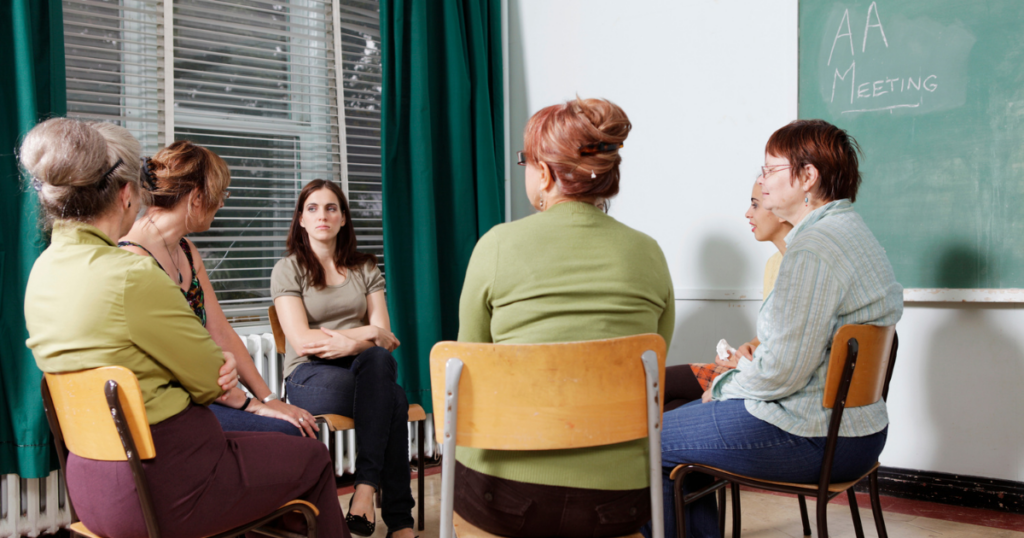
Understanding what an Al-Anon meeting format is and what happens at an Al-Anon meeting can help ease the anxiety many newcomers feel about attending their first session. Most Al-Anon meetings follow a consistent format that begins with an opening statement, readings from Al-Anon literature, and the Serenity Prayer. Members then share their experiences, focusing on their own feelings and recovery rather than detailing the alcoholic’s behavior. There is no cross-talk or advice-giving—each person speaks from their own experience without commenting on what others have shared. This is what Al-Anon’s anonymity principle ensures—what is shared in the meeting stays in the meeting, and members use first names only to protect everyone’s privacy. Newcomers can expect to feel a range of emotions at their first meeting, from relief at finding others who understand to vulnerability in a new environment.
How does Al-Anon help families in concrete, measurable ways? What is Al-Anon’s primary benefit? The program addresses the profound isolation that family members experience when living with addiction, connecting them with others who genuinely understand their struggles without judgment. Al-Anon teaches the concept of “detachment with love”—learning to emotionally separate from the chaos of addiction while still caring for the person. This is what Al-Anon detachment with love teaches—not cold indifference, but rather healthy boundary-setting that protects your own mental health. The 12-step framework adapted for family members guides participants through examining their own behaviors, releasing control, making amends where appropriate, and developing spiritual or emotional grounding. Regular attendance helps family members recognize and break codependent patterns that often develop when living with addiction, such as enabling, excessive caretaking, or losing one’s own identity in the attempt to manage someone else’s disease.
- Reduces isolation and shame by connecting you with others who share similar experiences and understand the unique challenges of loving someone with alcohol addiction.
- Teaches practical boundary-setting skills that help you protect your own wellbeing without feeling guilty or disloyal to your loved one.
- Breaks codependent patterns by helping you recognize enabling behaviors and develop healthier responses to the alcoholic’s actions.
- Provides ongoing support regardless of the alcoholic’s recovery status, whether they are actively drinking, in treatment, or maintaining long-term sobriety.
- Offers literature and tools such as daily readers, step study materials, and phone support between meetings for continuous guidance.
What Is Al-Anon’s Role Alongside Professional Therapy: When to Combine Support
While what Al-Anon offers is invaluable peer support, understanding what Al-Anon can and cannot provide is important when considering your overall mental health needs. For many family members, what Al-Anon provides through peer support alone is sufficient to navigate the challenges of loving someone with alcohol addiction. However, certain situations call for clinical intervention from licensed therapists who specialize in addiction, trauma, and family systems. If you are experiencing symptoms of anxiety, depression, or post-traumatic stress related to your loved one’s drinking, professional therapy can address these mental health conditions with evidence-based treatments that peer support cannot provide. Similarly, if you have experienced abuse, severe codependency, or your own substance use issues, a mental health professional can offer personalized treatment plans that target your specific clinical needs.

Mental health professionals who understand what Al-Anon is view it as a valuable adjunct to therapy, not a replacement for it. The question of what is Al-Anon versus therapy, particularly Al-Anon vs. therapy for codependency, is not an either-or proposition—the two approaches work synergistically to support comprehensive family healing. Al-Anon provides community, shared experience, and ongoing peer support that continues long after therapy sessions end. Professional therapy offers clinical assessment, diagnosis, and treatment for mental health conditions, trauma processing through modalities like EMDR or CBT, and family therapy that can include the alcoholic when appropriate. Many therapists actively encourage their clients to attend Al-Anon meetings near me while also engaging in individual or family counseling.
| Support Type | What It Provides | Best For |
|---|---|---|
| Al-Anon Meetings | Peer support, shared experience, 12-step framework, anonymity, ongoing community | General support, reducing isolation, learning from others’ experiences, and spiritual growth |
| Individual Therapy | Clinical assessment, diagnosis, personalized treatment plans, evidence-based interventions | Mental health conditions, trauma, severe codependency, and a personal history of abuse |
| Family Therapy | Facilitated communication, relationship repair, family system healing, conflict resolution | Improving family dynamics, addressing enabling patterns, and supporting recovery together |
| Combined Approach | Comprehensive support addressing clinical, emotional, and community needs simultaneously. | Complex situations, co-occurring mental health conditions, and long-term family wellness |
Get Compassionate Support for Families Affected by Addiction at Dallas Mental Health
Recognizing that you need support as a family member takes tremendous courage, and seeking help is not a betrayal of your loved one but rather an act of self-preservation and strength. Whether you are just beginning to understand what Al-Anon is alanon and exploring what Al-Anon meetings offer, or you have been attending meetings for years and need additional clinical support, professional mental health care can provide the personalized treatment you deserve. At Dallas Mental Health, we understand that addiction affects entire families, and we provide specialized mental health services that complement what Alcoholics Anonymous offers through peer support, including individual therapy, family counseling, and treatment for codependency and trauma. Our licensed therapists are trained in evidence-based modalities, including Cognitive Behavioral Therapy (CBT), Dialectical Behavior Therapy (DBT), and trauma-focused approaches that address the complex emotional impact of loving someone with alcohol addiction. We work collaboratively with clients who attend Al-Anon meetings, recognizing that peer support and professional care together create the strongest foundation for family healing. Taking the first step to contact Dallas Mental Health means you are choosing to invest in your own mental health, and that decision will positively impact not only your life but also your entire family system as you learn healthier ways to navigate the challenges of loving someone with alcohol addiction.
FAQs About Al-Anon and Family Support
What is the difference between AA and Al-Anon?
AA (Alcoholics Anonymous) is for people struggling with alcohol use disorder who want to achieve and maintain sobriety. Al-Anon is specifically for their family members and friends who need support dealing with how the addiction has affected their own lives.
Do I have to speak at Al-Anon meetings?
No, sharing at meetings is completely voluntary and never required. Many newcomers simply listen for several meetings before feeling comfortable to share, and some members choose to never speak—both approaches are respected and acceptable.
Is Al-Anon right for me if my loved one isn’t in recovery?
Yes, what Al-Anon is at its foundation is a program beneficial whether or not your loved one is actively seeking help for their drinking. Al-Anon focuses on your own healing, boundary-setting, and well-being regardless of the alcoholic’s current recovery status.
How does Al-Anon help with codependency?
Al-Anon teaches detachment with love, helping family members recognize enabling behaviors and establish healthy boundaries through shared experiences and step work. The program addresses codependent patterns by showing you how to focus on your own recovery rather than trying to control the alcoholic’s behavior.
Should I attend Al-Anon or see a therapist for family addiction issues?
Many people benefit from both—what Alcoholics Anonymous provides is peer support and community, while therapy offers personalized clinical treatment for trauma, mental health conditions, or complex family dynamics. A mental health professional can help determine whether you need professional care in addition to Al-Anon peer support.