Skip to content




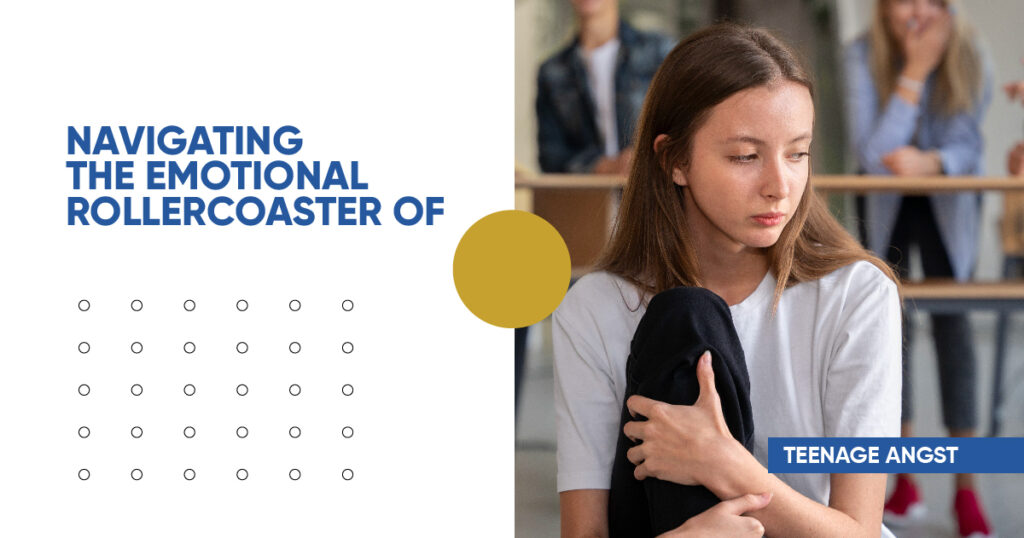
A great number of parents and teenagers would be asking themselves what the meaning of teenage angst is, it is merely a question of moodiness, or there is something more to it. Adolescence has been described as a rollercoaster of emotions, characterized by mood swings, rebellion, and extreme emotional responses, which can be a confusing experience for all parties involved. Teenage angst is a natural process of growing up – however, it may be overwhelming, disruptive, and hard to overcome without assistance.
It is possible to know what teenage angst is and why it occurs so that families react not with fear, but with empathy. This is not only an emotional life phase, but also a phase of self-discovery, self-independence, and identity.
Teenage Angst Meaning: More Than Just a Phase
Teenage angst is described as the emotional turmoil, anxiety, and conflict that many teenagers undergo during the period of their growth and acquiring the status of adulthood. It manifests itself in many cases as irritability, sadness, frustration, or withdrawal, and is often mistaken for being dramatic or attention-seeking.
In fact, teenage angst is highly associated with the sudden developments in the psychological, emotional, and biological realms. Teenagers are defining their identity and thus grappling with new social demands, academic demands, and demands with regard to independence.

Although most teens emerge out of this stage without long-term problems, the feelings are genuine and justified. Dismissing them may promote isolation and emotional conflicts.
The Brain Science Behind Adolescence and Emotional Turmoil
Adolescence is a period during which the brain grows, and this is one of the critical stages of brain development following the early childhood period. Research from the American College of Pediatrics (AAP) shows that the teenage brain is under construction, specifically, the parts that make decisions and regulate emotions.
The important neurological considerations are:
- Increased emotional sensitivity.
- Greater responsiveness to stress.
- Problem controlling mood swings.
- High emotional reactions to social circumstances.
This brain development process does not mean that teenagers are helpless, it only means that they need guidance, patience, and support as their emotional control is developing.
Rebellion, Identity Crisis, and the Quest for Independence
Rebellion is one of the most obvious features of teenage angst. Although this may be difficult for the parents, rebellion is commonly a good indication of psychological development as opposed to a form of resistance itself.
Adolescents are actively striving to find answers to some basic questions:
- Who am I?
- What do I believe?
- Where do I fit in?
Such identity seeking is all too prone to experimentation and pushing boundaries, and resistance to authority.
Why Teens Push Boundaries During Self-Discovery
Rebellion assists teenagers in pushing boundaries and gaining independence. Breaking the rules, adolescents get to know where the borders can be crossed and how to become independent in a reasonable way.
But in times of emotional upheaval, rebellion can seem to be worse. Defiant behaviors can be increased by such factors as stress, peer pressure, or not understanding something.
Typical types of rebellion are:
- Challenging family rules.
- Suddenly changing the looks or interests.
- Withdrawing emotionally.
- Interrogating values or beliefs.
By thinking of rebellion as a form of self-discovery, one is likely to lower the level of conflict and open communication channels.
Peer Pressure and Its Role in Mood Swings
The relationships with peers become of gigantic significance in adolescence. Being liked, fitting in, and social status tend to be vital to emotional survival, and this makes teens an easy target of peer pressure.
Good peer associations may increase self-confidence and strength. Anxiety, mood swings, and risky behavior can, however, be encouraged by negative peer pressure.
Adolescent studies indicate that adolescents have higher propensities to:
- Emotional reactions of mirror peers.
- Experience increased discomfort because of social rejection.
- Never support self-worth, but on peer approval.
These forces lead to emotional highs and lows in the process of this lifecycle.

Social Media’s Impact on Teen Emotional Health
Social media enhances peer pressure via the establishment of constant comparison and exposure. Adolescents might be under pressure to impress with their looks, their popularity, or success on the internet- even when it is not what is happening in real life.
Research connects excessive use of social media with more emotional crises, anxiety, and depressive moods in teenagers. Internet communication may amplify feelings of incompetence, alienation, or self-distrust at a time of already compromised development.
When Teenage Angst Signals Something Deeper
Although teenage angst is normal, there are occasions when it can be a sign of a mental issue that is more prone to develop. Unrelenting or excessive emotional pain cannot be overlooked.
Indicators that indicate a possible need for supplementary help would be:
- Long-term depression or loneliness.
- Drastic sleeping or eating alterations.
- Vicious mood swings are disrupting day-to-day life.
- Loss of interest in activities that one enjoyed.
- The statements of worthlessness or desperation.
Research on child psychology has suggested that early intervention is capable of enhancing the outcomes of long-term interventions. One of the most important actions towards assisting mental health in teens is the realization that angst has transcended a developmental stage.
Helping Your Teen Thrive: Resources at Dallas Mental Health
Helping a teenage person is not about trying to correct all the issues, but it is about providing a non-judgmental and safe space where the person can express their feelings without being judged. Dallas Mental Health is an empathetic service provider of evidence-based care to teens and families struggling with emotional issues.
Their seasoned clinicians have knowledge about adolescent development and deliver specialized care to meet emotional crises, identity issues, peer influence, and family relationships. The teens can gain coping skills, emotional insights, and confidence during this critical period with the help of therapy.
In case emotional battles seem to overwhelm your teen, or even as a parent, you are not alone. Contact Dallas Mental Health to get help!
FAQs
At What Age Does Teenage Angst Typically Begin?
Angst begins in the early period of adolescence when the person is between 11 and 13 years old, but it could come at an earlier or later age, depending on how the teenager is developing.
How Can Parents Tell the Difference Between Normal Angst and Depression?
Normal angst is that which is likely to occur and disappear, but depression is chronic and affects daily functioning. Professional evaluation is recommended in case of weeks of depression or withdrawal, or aggravation.
Does Peer Pressure Make Teenage Angst Worse?
Yes, peer pressure can also contribute heavily to emotional distress at the adolescent stage. Teens who are perceived as judged, excluded, or seen as having to conform to others tend to have their underlying emotional problems aggravated.
What Are Healthy Ways for Teens to Express Emotional Turmoil?
Examples of healthy outlets include the following: talking with people one can trust, journaling, creative expression such as music or art, and exercising. Professional therapy may be a very helpful support and coping strategy when necessary.
When Should a Family Seek Professional Help for a Teenager?
Professional assistance is advised in case emotional difficulties start interfering with school performance, relationships, or general well-being. Particular attention should be paid to the need to address a mental health professional in case some doubts arise regarding the safety of the teenager.