Skip to content




Key Takeaways
- Different attachment styles are patterns for how you connect, trust, and handle closeness, formed early in life.
- There are four: secure, anxious, avoidant, and disorganized.
- Your style shapes how you love, argue, and cope with stress as an adult.
- An insecure style is common, and it is not a mental illness or a character flaw.
- Styles can change. With effort and often therapy, people move toward security.
You may have noticed that some people become more attached when their partners try to be closer, while others distance themselves when their partners attempt to be more intimate. It’s very unlikely to be random. Those reactions can date back to much earlier than you can remember.
Psychologists call these different attachment styles, and they quietly shape your relationships and your mental health. The good news, which this post gets to, is that they aren’t fixed.
What Are Different Attachment Styles and Why They Matter
Attachment styles are the blueprints for relationship patterns developed in childhood. Consistent, responsive, and nurturing care from a caregiver fosters a secure attachment, whereas inconsistent, dismissive, and fear-based care can contribute to more insecure attachment styles, according to Crisis Text Line.
Those lessons have a lasting impact and will form the blueprint for your adult love, friendship and stress. They matter because they sit underneath every close relationship: who you choose, how you fight, and what you do when things get hard.
The Four Main Types of Attachment Patterns
In fact, the vast majority of people fall into one of four styles, with some exhibiting characteristics of several, particularly under stress. These are just a quick look at them:
| Attachment style | How it tends to show up in adult relationships |
| Secure | Able to accept closeness and space, trust, ask for what they need, and deal with conflict in a non-agitated manner. |
| Anxious | Needs reassurance, has a fear of abandonment, and may feel the relationship is never safe. |
| Avoidant | Is independent, avoids close relationships, and withdraws during times of emotional stress. |
| Disorganized | Craves closeness and fears it at once, alternating between clinging and withdrawing. |
How Early Bonds Influence Your Adult Connections
Here is how attachment theory makes an impact on adult relationships: your primary relationship, whoever raised you, is teaching you your expectations for all the others that follow. You may have learned that people are safe to lean on if they have always been there for you. If that care was inconsistent or frightening, you may have learned to brace, chase, or armor up instead. Those lessons run underneath awareness:
- They shape how you react the first time a partner feels distant.
- They impact the comfort level of closeness and the ability to trust.
- They are very quiet until they are brought to the surface by stress.
Secure Attachment vs Insecure Attachment in Daily Life
There are various kinds of attachment, but the main dividing line is between secure and insecure attachment. Secure is not an ideal, hassle-free relationship. It’s a steady base where closeness feels safe, and space isn’t a threat.
The insecure styles, anxious, avoidant, and disorganized, have a common theme, which is that when it gets close, it’s not safe. It really becomes evident in the little things, such as when your partner doesn’t respond to texts or when they need a night off.
Signs of a Secure Foundation in Relationships
One reason secure attachment is not as often discussed as the insecure types is that it is less noticeable. It is likely to resemble:
- You can be together without being overwhelmed, you can be distant without being disheartened.
- You make requests; do not give hints or hide requests.
- You trust easily, and you can be trusted.
Anxious Attachment in Romantic Relationships
Anxious attachment in love is based on a fear of abandonment. The love is authentic and can be quite strong; the fear of it going away, however, can be just as strong. That fear can lead to behaviors that, at times, painfully alienate the very person you don’t want to lose. It typically develops as a result of an absence of caring and concern one day and an overabundance the next, and the nervous system was taught to look for cues about leaving.
Common Behaviors and Emotional Patterns
From the inside, it feels like love. From the outside, it can look like too much. Common patterns include:
- Constantly requiring assurance that it is all right.
- Reads danger in little things, such as a brief reply or tone change.
- Issues with space and feeling dismayed when a loved one requires it.
- Ruminating on the relationship, expecting a breakup that isn’t happening.
Avoidant Attachment Patterns and Disorganized Attachment and Trauma
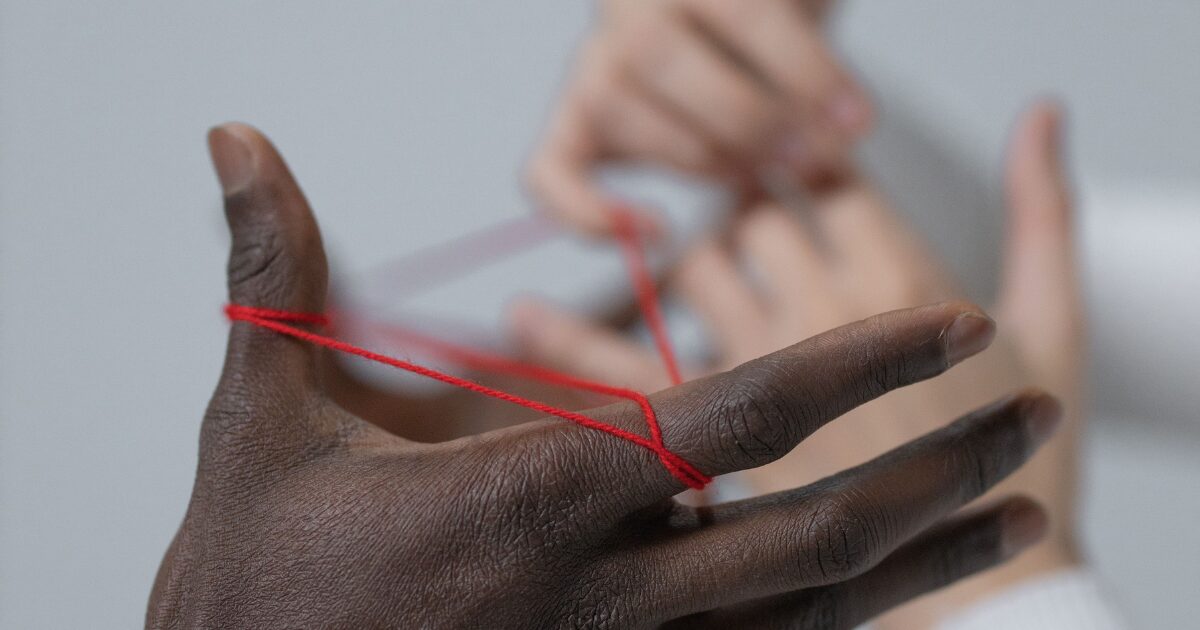
Avoidant attachment patterns are the opposite of anxious attachment. The person may not seek closeness and sees independence as highly important, viewing intimacy as a threat to it. It is common for disorganized attachment and trauma to coexist, as the child’s attachment figure was often at the same time a source of safety and of fear, such as through abuse, neglect, or at least at times being a frightening presence. The outcome is a push and pull pain, a need for connection, and a fear of it all in one.
When Distance Becomes a Defense Mechanism
Distance is not coldness, but protection learned early, for the avoidant and disorganized styles. That is what they did to stay safe, and it became second nature. It is likely to manifest itself through:
- When emotional, shutting down or going quiet when having a conversation.
- Being overwhelmed by proximity, which others may find reassuring.
- Being reluctant to depend on others and wanting to do things independently.
- Wishing for love and at the same time doubting it, in the disorganized pattern.
Changing Your Attachment Style in Therapy
Here is the most hopeful part. Your attachment style is not a life sentence. Although changing your attachment style requires effort, it is possible, according to PsychCentral, and a therapist can help you develop ways to express your feelings and move toward greater security. This type of secure attachment is earned through consistent, safe relationships and, for many, through therapy. History can’t be deleted. You acquire a new approach to dealing with it.
Attachment-Based Therapy Approaches That Work
Some therapy techniques are more specifically geared toward repairing attachment wounds. While each therapist will tailor the therapy to fit you, typical methods of therapy are:
- Emotionally focused therapy – usually for couples – where they change the pattern they find themselves in.
- Individual therapy that traces today’s patterns back to their roots and rewrites them.
- The therapeutic relationship itself is where a constant, secure connection can be established and trusted.
Rebuild Connection and Trust With Dallas Mental Health
No matter what style you identified with, it was the one that made sense to you, given your life experiences; that can change. Knowing your attachment style isn’t about blaming your parents or wearing a label. It’s about finally noticing the pattern in a way that it can be moved.
Our Dallas therapists support you in learning about your attachment style and healing from previous traumas to create the safe, stable, and loving relationships you desire – without judgment. If you have a disorganized attachment and painful feelings are arising as a result of the trauma in your past, please seek support. And if you ever have thoughts of suicide, call or text 988 anytime to reach the Suicide and Crisis Lifeline.
The way you learned to love as a child does not have to be the way you love for life. Reach out to Dallas Mental Health, and let us help you build something more secure.

FAQs
-
How do different attachment styles influence the way people communicate in relationships?
Your style shapes how you handle closeness and conflict, especially under stress. Secure people tend to speak openly and work through problems, while anxious people may seek constant reassurance and avoidant people may shut down or withdraw. Recognizing your pattern is the first step toward communicating in a steadier, clearer way.
-
Can different attachment styles change over time without professional help?
Yes, they can shift on their own through steady, safe relationships and honest self-reflection over time. A supportive long-term partner or real personal growth can gradually move someone toward security. That said, therapy tends to make the change faster and more reliable, especially when trauma is involved.
-
What role does attachment-based therapy play in helping someone feel more secure?
Attachment-based therapy targets the early patterns driving your reactions, rather than just the surface behavior. The therapy relationship itself becomes a safe, consistent bond where new, more secure ways of relating can be practiced. Over time this helps rewrite the internal template, a process often called earned secure attachment.
-
Why do anxious attachment patterns in romantic relationships create cycles of conflict?
Anxious attachment runs on a fear of abandonment, which can lead to reassurance-seeking that a partner may experience as pressure. If that partner pulls back, the anxiety spikes and the behavior intensifies, which pushes them further away. That loop, often called the anxious-avoidant trap, keeps repeating until both people understand what is really driving it.
-
Which signs indicate that disorganized attachment and trauma require immediate clinical support?
Reach out for professional help when trauma symptoms disrupt daily life, such as flashbacks, severe anxiety, dissociation, or an inability to function. Relationships that feel chaotic or unsafe, or emotional pain that becomes overwhelming, are also clear signals. If there are any thoughts of self-harm or suicide, treat it as urgent and contact a crisis line or emergency services right away.
References
- Avoidant Attachment and Other Styles That Shape Your Relationships, Crisis Text Line.
- How to Change Your Insecure Attachment Style, PsychCentral.