Skip to content





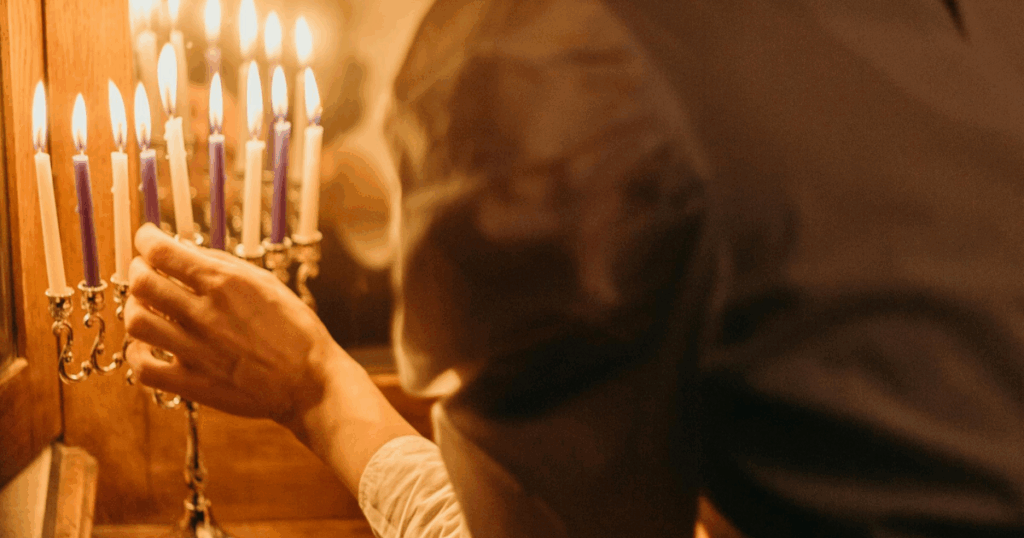
The Hanukkah season is a celebration of resilience – a reminder that even the smallest flame can keep burning through the darkest nights. Yet for many, this time of year brings quiet struggles beneath the glow of the menorah. Depression during Hanukkah can feel especially heavy when joy, family, and connection seem to surround you everywhere else.
While the Festival of Lights encourages reflection on miracles and endurance, those coping with loneliness, grief, or pressure may find that its symbolism takes on a more personal meaning – a call to hold on to light when hope feels dim.
Understanding Depression During Hanukkah
Depression during Hanukkah isn’t a sign of weakness or lack of faith. It can stem from many intersecting factors – emotional, spiritual, and environmental – that come to the surface during the holidays.
Common causes include:
- Seasonal Affective Disorder (SAD): Shorter daylight hours can disrupt circadian rhythms and reduce serotonin levels.
- Social isolation or Hanukkah loneliness: Distance from family or a lack of community can heighten feelings of disconnection.
- Holiday expectations: Pressure to celebrate or maintain traditions may overwhelm those already emotionally fatigued.
- Grief during holidays: Memories of lost loved ones can resurface with painful intensity.
For many in the Jewish community, these experiences are compounded by the unique rhythm of Hanukkah – eight consecutive nights that can amplify emotional highs and lows.
The Role of Light: More Than a Metaphor
In Jewish tradition, light symbolizes perseverance and divine presence. But in the realm of mental health, light holds literal healing power. Exposure to natural or artificial light can help regulate mood, especially for those experiencing seasonal affective disorder.
Below is a look at how symbolic and therapeutic light practices can intersect during Hanukkah:
| Type of Light Practice | Symbolic Meaning During Hanukkah | Mental Health Benefit |
| Lighting the menorah | Renewal, remembrance, and community connection | Promotes routine and mindfulness |
| Morning sunlight exposure | Awakening and gratitude | Boosts serotonin and energy levels |
| Light therapy lamps | Modern adaptation of “bringing light into darkness” | Reduces SAD symptoms by balancing the circadian rhythm |
| Candle meditation | Focusing on flame to quiet the mind | Lowers anxiety and increases presence |
Lighting candles each night can serve as both spiritual ritual and emotional grounding – a moment to breathe, reflect, and acknowledge that even small light can dispel great darkness.
Recognizing Signs of Holiday Depression
Understanding what depression looks like during this season helps individuals seek help sooner and avoid internalizing shame.
Common signs include:
- Persistent sadness or irritability
- Withdrawal from social or religious gatherings
- Difficulty concentrating or sleeping
- Changes in appetite
- Fatigue or loss of interest in activities once enjoyed
If these symptoms persist for more than two weeks or begin interfering with daily life, it’s time to seek professional support or talk with trusted members of your community.
Coping With Hanukkah Stress and Family Expectations
Hanukkah celebrations can bring joy – but also expectations. From preparing traditional foods to managing travel and family dynamics, the stress can quickly add up.
Here are ways to manage Hanukkah stress and the family expectations pressure that often accompany it:
- Simplify traditions: You don’t have to attend every gathering or cook every dish. Prioritize moments that truly bring meaning.
- Set emotional boundaries: Kindly communicate when you need space. Saying no doesn’t mean rejecting family; it means protecting your peace.
- Delegate and share tasks: Invite loved ones to light candles, say blessings, or prepare food together – shared responsibility deepens connection.
- Practice mindful pauses: Take quiet moments after candle lighting to breathe, journal, or meditate on gratitude.
Remember: The miracle of Hanukkah wasn’t about extravagance – it was about endurance.
Navigating Hanukkah Loneliness and Grief
For those grieving loved ones, the joy of the holidays can feel out of reach. Empty chairs at the dinner table may magnify the ache of absence. Loneliness can linger even in crowded rooms.
Honoring grief during the holidays begins with permission – permission to feel sadness and joy at once.
Ways to honor grief while protecting emotional well-being:
- Light an extra candle in memory of someone who has passed.
- Share stories or blessings that keep their spirit alive.
- Attend a community service dedicated to remembrance.
- Allow yourself to skip certain traditions if they feel painful this year.
Jewish teachings often frame mourning and celebration as coexistence – not contradiction. The menorah itself reflects that truth: eight distinct lights, each holding space for renewal and remembrance.
The Impact of Seasonal Affective Disorder (SAD)
Because Hanukkah typically falls near the winter solstice, it often coincides with peak seasonal affective disorder (SAD) symptoms. SAD can intensify feelings of fatigue, hopelessness, and disconnection.
Recognizing the biological element of winter depression is empowering – it shifts the narrative from personal failure to a manageable condition.
| Strategy for Managing SAD | How It Helps During Hanukkah |
| Daily outdoor walks or morning light exposure | Reinforces the symbolism of “bringing in light” |
| Light therapy box (10,000 lux for 20–30 minutes/day) | Mimics natural daylight, boosting mood |
| Maintaining regular sleep and meal times | Stabilizes energy and emotions |
| Limiting alcohol and sugar intake | Prevents further mood fluctuation |
| Seeking professional therapy | Offers coping skills and emotional validation |
Pairing these strategies with spiritual reflection – like reciting blessings or attending synagogue events – can bridge mind and body healing.
Finding Meaning Through Community Support
Community is the heartbeat of Jewish life, yet during Hanukkah, some may feel isolated or overlooked. Connection doesn’t always mean attending large gatherings; sometimes it’s about finding a small circle of genuine understanding.
Sources of community support during Hanukkah:
- Local Jewish Community Centers (JCCs) often host mental health or grief support groups.
- Synagogues may offer pastoral counseling or small group lighting ceremonies.
- Online forums for Jewish mental health can provide anonymity and empathy.
- Volunteering to help others can restore a sense of purpose and belonging.
Engaging with the community can reignite the Hanukkah spirit – reminding us that our light grows brighter when shared.
Protecting Your Mental Health While Honoring Tradition
You can honor Jewish customs while still caring for your mental well-being. Setting healthy limits doesn’t make your observance less meaningful; it keeps your heart open and sustainable.
Try integrating these practices:
- Combine menorah lighting with gratitude journaling.
- Play gentle music or recite Psalms to calm the nervous system.
- If attending long family dinners feels draining, step outside between courses to reset.
- Replace guilt with grace: missing a night’s celebration doesn’t diminish your faith.
Each act of self-care is a modern miracle – one that helps your light keep burning.
Reframing the Festival of Lights
When you feel dimmed by depression during Hanukkah, it helps to reframe what the festival symbolizes: not constant happiness, but an enduring spirit.
- The oil lasted eight days, not because conditions were perfect, but because persistence overcame limitation.
- The light was small, yet enough – a metaphor for emotional resilience.
- The community rebuilt after hardship, showing that healing is a collective act.
Let the menorah remind you that hope isn’t always bright – sometimes it’s steady and quiet, waiting to be seen.
Let Your Light Find Help With Dallas Mental Health
If this Hanukkah feels heavy, remember that you don’t have to navigate it alone. Reaching out for support is one of the most courageous steps you can take. Dallas Mental Health provides compassionate, evidence-based care for individuals facing depression, anxiety, and seasonal challenges.
Whether you need help managing depression during Hanukkah, understanding seasonal affective disorder, or finding community resources aligned with Jewish traditions, their team is ready to walk beside you.
Call today or visit their website to learn how therapy and connection can help you reclaim your inner light – because even in the darkest winter, your light deserves to shine.
FAQs
How can individuals manage Hanukkah loneliness and holiday blues within Jewish traditions?
Engage with rituals that foster connection, like lighting candles with friends over video chat or joining community gatherings at a synagogue or JCC. Focusing on shared traditions can reduce isolation and remind you of belonging within a larger faith community.
What are effective strategies for coping with Hanukkah stress and family expectations pressure?
Set realistic boundaries and simplify celebrations. Prioritize meaning over perfection – such as sharing blessings rather than elaborate meals – and communicate openly about your needs to prevent burnout.
How does seasonal affective disorder overlap with Hanukkah, and what winter light practices can help?
Because Hanukkah coincides with the darkest part of the year, SAD symptoms may intensify. Light therapy lamps, daily sunlight exposure, and regular physical activity can alleviate mood dips and restore natural rhythm.
What approaches can be taken to honor grief during holidays while protecting one’s well-being?
Create rituals of remembrance like lighting a candle for a loved one or sharing stories about them. Allow space for both mourning and gratitude, balancing quiet reflection with gentle connection to others.
Where can one find community support during Hanukkah and Jewish mental health resources?
Local synagogues, Jewish Family Services, and organizations such as the National Alliance on Mental Illness (NAMI) often have culturally sensitive support groups. Online communities can also offer guidance and companionship during the holiday season.