Skip to content





Being raised in a secure and caring family shapes who we become. However, for too many individuals, childhood is painful — marked by neglect or abuse. Childhood adversity and adult mental health are closely interrelated.
The wounds from early life do not simply disappear — they follow us into adulthood, quietly shaping our emotions, relationships, and behaviors.
How Childhood Adversity Shapes Adult Mental Health Outcomes
Understanding how attachment styles and relationship patterns develop begins with examining these early influences.
The Long-Term Impact of Adverse Childhood Experiences on Emotional Well-Being
Adverse childhood experiences (ACEs) include abuse, neglect, domestic violence, and growing up with a mentally ill parent. The CDC-Kaiser ACE Study has demonstrated that individuals with higher ACE scores are more likely to experience depression, anxiety, and substance use issues in adulthood.
Childhood stress can quickly rewire the brain to react to fear, trust, and safety in different ways. Adults with a history of childhood trauma often work hard to feel emotionally safe, even when their environment is objectively safe.
Attachment Disorders and Their Role in Relationship Patterns
These early relationship patterns play an important role in how people perceive, process, and communicate feelings in response to everyday stressors and problems.
Recognizing Insecure Attachment in Adult Relationships
Attachment disorders develop when a child is deprived of a safe bond with a caregiver early in life. Insecure attachment in adults may show up in the following ways:
- Constant fear of being left by loved ones.
- Lack of trust in partners, friends, or colleagues.
- Being too clingy or emotionally closed off.
- Feeling undeserving of affection or a good relationship.
- Overreacting to minor disagreements because of deep underlying fear.
How Early Bonding Failures Affect Emotional Intimacy
When children grow up without caregivers, or with abusive or inconsistently loving caregivers, they don’t experience safe love. For them, emotional intimacy is frightening. They may sabotage relationships or remain in unhealthy ones because that is what they are used to.
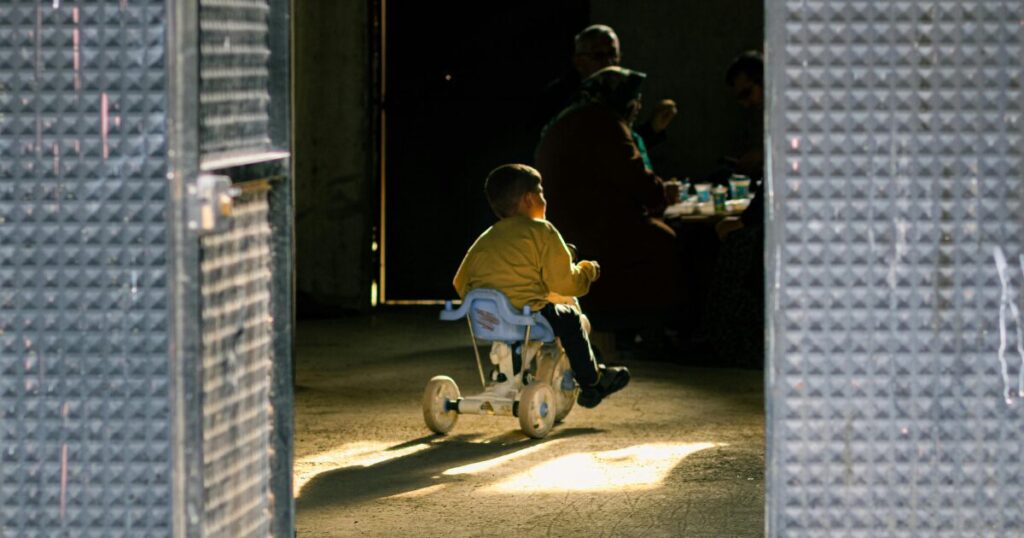
Complex PTSD: When Childhood Trauma Extends Into Adulthood
Unlike a single traumatic event, complex PTSD develops through prolonged or repeated traumas, particularly in childhood. Symptoms include intense shame, emotional flashbacks, and a fractured sense of self.
Survivors often feel deeply wounded or disconnected from themselves, though healing is always possible. While post-traumatic stress disorder (PTSD) may be caused by a single incident, complex PTSD stems from trauma that lasts for an extended period of time, so the recovery process is longer – but not impossible.
Emotional Regulation Difficulties and Behavioral Responses
Emotional regulation problems often affect the entire family and show how unresolved trauma can pass across generations.
Why Trauma Survivors Struggle With Impulse Control and Mood Stability
Emotional regulation entails the capacity to handle emotions in healthy ways. The ability to do this is interrupted in childhood when the person experiences trauma.
| Trauma Response | How It Shows Up in Adults |
| Hypervigilance | Always feeling on edge or unsafe |
| Emotional numbness | Feeling detached or empty inside |
| Rage outbursts | Explosive anger over small triggers |
| Avoidance | Withdrawing from people and situations |
| Self-destructive behavior | Substance use, risky choices, self-harm |
These are not personality defects but survival mechanisms that the brain picked up at an early age.
Intergenerational Trauma: Breaking Patterns Across Generations
Recognizing these inherited patterns opens up greater possibilities for healing and allows individuals to build healthier coping strategies and healthier futures.
How Parental Trauma Influences Child Development
Intergenerational trauma occurs when unresolved pain is passed from parent to child, often without anyone realizing it. A traumatized parent may subconsciously repeat harmful patterns or struggle to express warmth.
Children then internalize stress, fear, and emotional detachment as the norm. The American Psychological Association (APA) confirms that trauma responses can be passed on through parenting behavior and even through biological stress markers.
Building Resilience Through Therapeutic Intervention
Resilience is not an inborn trait — it can be learned and practiced. Eye movement desensitization and reprocessing (EMDR) and trauma-focused cognitive behavioral therapy (TF-CBT) are therapeutic approaches that help survivors safely reprocess painful memories.
Emotional regulation can be regained through ongoing treatment and by learning healthier relationship habits. Healing doesn’t make the past disappear, but it does allow your past to inform your future rather than control it.
Transforming Your Mental Health Journey at Dallas Mental Health
You don’t have to bear the burden of childhood trauma alone. The caring professionals at Dallas Mental Health understand how deeply childhood experiences shape adulthood.
We provide one-on-one support, whether you’re dealing with complex PTSD, attachment disorders, or other issues rooted in your past. It takes courage to seek help. Contact us to schedule an appointment and begin living a happier, more fulfilling life.

FAQs
Can childhood trauma cause attachment disorders that persist into adult relationships?
Yes, childhood trauma can profoundly disrupt how trust forms in relationships. Unstable bonds in childhood become patterns that affect future relationships in adulthood. Therapy helps rewrite these patterns to support healthier, safer relationships.
Why do adverse childhood experiences lead to poor emotional regulation in adults?
Trauma restructures the regions of the brain responsible for stress responses during critical developmental stages. As adults, survivors may react to triggers with fear, anger, or shutting down. This is not a natural personal weakness but a learned survival response.
How does complex PTSD differ from standard PTSD in trauma survivors?
Standard PTSD results from a single traumatic event and is characterized by fear-based symptoms. Complex PTSD develops from prolonged trauma and leads to severe shame and loss of identity. With professional care and long-term trauma-focused treatment, recovery is possible.
What role does therapeutic intervention play in breaking intergenerational trauma cycles?
Therapy helps parents understand how their own trauma affects their parenting. It builds emotional awareness so children are spared from inheriting negative patterns. A healthier generation creates a healthier generation to come.
Are resilience skills something people develop, or do they require professional treatment?
Positive relationships and life experiences can help build resilience. However, deep trauma usually requires the support of a specialist to fully cultivate it. Therapy provides tools that build resilience more effectively and durably than recovery on your own.