Skip to content





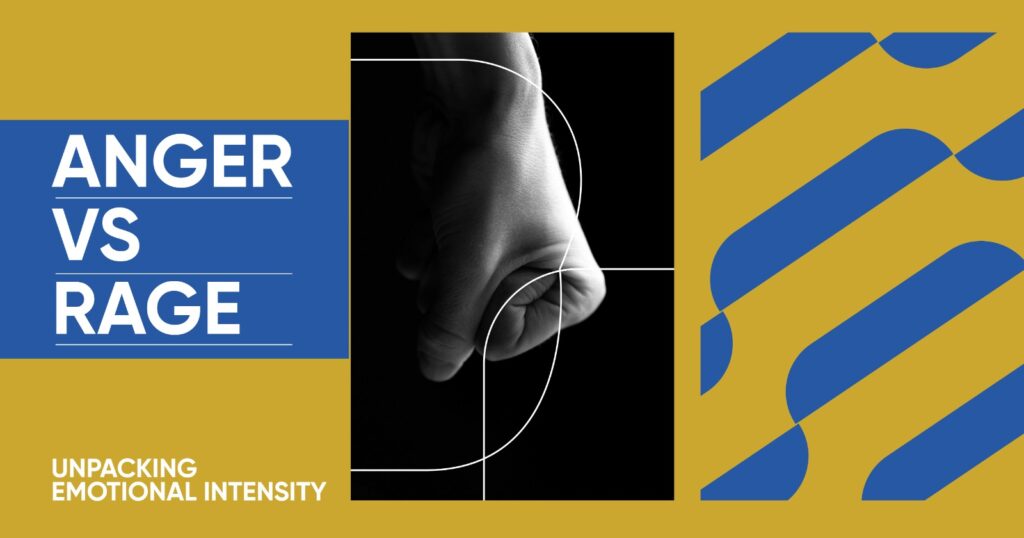
According to the American Psychological Association, nearly 1 in 5 adults experience episodes of uncontrollable anger each year. While anger is a normal emotion, rage is often the storm that follows when anger goes unregulated — intense, explosive, and sometimes destructive. Understanding where one ends and the other begins is key to managing our emotions before they manage us.
Understanding Anger vs Rage in Emotional Context
Anger is one of the most universal human emotions, a signal that something feels unfair, painful, or out of our control. It can arise from minor frustrations or deeper injustices. Rage, however, is anger magnified, a loss of emotional control that can cloud judgment and trigger impulsive reactions.
The Role of Emotion in Everyday Life
Emotions are the body’s natural means of communication. They help us respond to our environment, protect ourselves, and connect with others. Anger, in particular, can be healthy when expressed constructively, it fuels change, boundary-setting, and self-advocacy.
However, when anger intensifies into rage, it stops serving us and begins to consume us. This shift is what psychologists often describe as the difference between emotional awareness and emotional hijack, when reasoning shuts down and reaction takes over.
Intensity and Expression in Emotional Responses
Everyone experiences anger differently, some may express it through silence and withdrawal, others through confrontation. Rage, on the other hand, is typically explosive and uncontrollable.
Here’s a breakdown showing how anger and rage differ in their emotional intensity and control:
| Aspect | Anger | Rage |
| Emotional Intensity | Moderate, manageable | Overwhelming, extreme |
| Cognitive Control | Retains reasoning and awareness | Loss of reasoning and self-awareness |
| Expression | Verbal expression or assertiveness | Physical aggression, shouting, or destructive behavior |
| Duration | Short-term, fades after resolution | Can last longer and recur more easily |
| Impact on Relationships | Can lead to growth if resolved | Often damages trust and connection |

How Anger Differs from Rage in Expression and Control
Anger says, “Something isn’t right.” Rage screams, “Everything is wrong.” The distinction lies in control. Anger can be channeled through calm conversation, exercise, journaling, or therapy. Rage, however, often bypasses these coping strategies altogether. It thrives on physiological arousal — rapid heartbeat, tense muscles, shallow breathing, all signs that the body’s fight-or-flight system has taken over.
Learning to recognize the early signs of anger escalation, like clenched fists, tightened jaw, or racing thoughts, can prevent the slide into rage. Awareness is the first line of defense.
Outbursts and Emotional Regulation
Outbursts are emotional tipping points, where tension meets release. They’re not always violent; sometimes they’re tears, shouting, or slamming a door. But they represent a loss of internal balance.
When emotions are bottled up, they don’t disappear, they build pressure. And when that pressure reaches its limit, it often erupts as rage.
Navigating the Balance Between Control and Escalation
It’s a delicate dance: suppress too much, and frustration festers; express too freely, and you may hurt someone. The key is regulated expression, acknowledging your anger before it crosses into chaos.
Here are practical steps to maintain balance:
- Pause before reacting: Give yourself a moment to breathe and assess.
- Name the feeling: Simply labeling your emotion (“I’m frustrated”) helps calm the brain’s stress response.
- Redirect the energy: Physical outlets like walking, stretching, or deep breathing ease the intensity.
- Reflect afterward: Once calm, explore what triggered the emotion and what needs weren’t met.
A study in the Journal of Clinical Psychology found that people who practice mindful breathing during emotional spikes report a 60% decrease in anger intensity over time.
The Dynamics of Aggression, Frustration, and Hostility
Aggression, frustration, and hostility are often linked, but they play different roles in emotional expression.
- Frustration is the feeling of being blocked from achieving a goal.
- Aggression is the behavioral expression that sometimes follows frustration.
- Hostility is a long-term attitude of resentment or antagonism toward others.
These three forces can form a dangerous emotional chain if left unchecked.
Root Causes Behind Hostile Outbursts
Hostility doesn’t arise overnight. It’s often shaped by deeper emotional currents such as:
- Chronic stress or burnout
- Unresolved trauma
- Poor emotional coping mechanisms
- Substance use or sleep deprivation
- Environmental factors like work pressure or relationship conflict
According to the National Institute of Mental Health, individuals with untreated trauma or chronic stress are twice as likely to display patterns of aggression and hostility. Recognizing these root causes is crucial in breaking the emotional cycle.
Strategies for Managing Anger vs Rage
Managing emotional intensity is not about never getting angry — it’s about learning to stay grounded when anger arises. Here are evidence-based strategies that help regulate anger before it turns into rage:
- Identify triggers: Keep a journal of moments that provoke strong emotions to recognize recurring patterns.
- Practice self-soothing techniques: Deep breathing, grounding exercises, or visualization can calm the nervous system.
- Set healthy boundaries: Communicate assertively, not aggressively, to express needs clearly.
- Engage in regular physical activity: Exercise helps discharge pent-up energy and releases endorphins.
- Seek professional guidance: Anger management therapy or counseling can provide coping tools tailored to your triggers.
- Develop emotional literacy: Learn to differentiate between anger, disappointment, fear, and sadness — it builds emotional depth and control.
Finding Support with Dallas Mental Health
At Dallas Mental Health, emotional well-being is not about suppressing emotions but understanding them. Whether you’re dealing with chronic anger, uncontrollable rage, or emotional burnout, professional support can help you restore balance and peace.
Our specialists guide individuals through anger management therapy, cognitive-behavioral interventions, and mindfulness-based approaches, helping you regain control and rebuild relationships with empathy and calm.
Your emotions don’t have to define you, they can guide you toward healing. Contact Dallas Mental Health today to begin your journey toward a more balanced emotional life.

FAQs
1. What are the differences in expression and intensity between anger and rage?
Anger is a manageable emotional response to frustration or injustice, while rage is an uncontrolled explosion of that anger. Rage usually involves loss of self-control and may result in aggressive or destructive behavior.
2. How can outbursts of emotion lead to increased frustration and aggression?
Unregulated outbursts can intensify frustration because they rarely solve the root problem. Instead, they create guilt or conflict, feeding back into more anger and aggression.
3. What strategies can help manage emotional intensity and maintain control during hostile situations?
Deep breathing, mindful awareness, and stepping away from the trigger help calm the body. Grounding techniques, like focusing on your senses or counting slowly, restore emotional control.
4. How does the build-up of frustration contribute to aggressive emotional responses?
When frustration accumulates without healthy release, it can spill over into aggression. The longer emotions are suppressed, the stronger the eventual reaction becomes.
5. What are the root causes of hostility in emotional outbursts, and how can they be addressed?
Hostility often stems from unresolved trauma, chronic stress, or unmet emotional needs. Addressing these through therapy and self-reflection helps release deep-seated tension and fosters healthier communication.